Viable News Team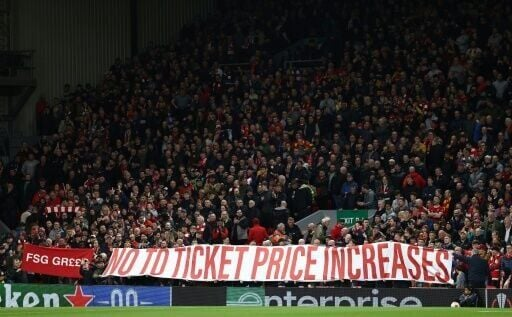
Image source
The Premier League has long been celebrated for its electric atmospheres and packed stadiums, but rising ticket prices are increasingly putting pressure on fans as clubs look for new ways to grow revenue.
According to a recent report by UEFA, English football’s so-called “Big Six” Arsenal, Chelsea, Liverpool, Manchester City, Manchester United and Tottenham Hotspur generated nearly 20% more from matchday ticket sales during the 2024/25 season compared to the previous year. The increase highlights a growing shift in how clubs are generating income.
While broadcasting rights and sponsorship deals still account for the bulk of club revenues, the rapid growth seen in TV income over the past decade has begun to stabilise. As a result, clubs are increasingly turning to matchday income including ticket sales, hospitality packages, and in-stadium spending to drive financial growth.
This shift is being felt most strongly by supporters. Ticket prices, particularly at top clubs, have risen steadily, with some clubs introducing premium experiences aimed at wealthier fans and international visitors. At Fulham, for example, redevelopment of the Riverside Stand has added high-end hospitality features, including luxury dining and even a rooftop pool. However, season tickets can cost as much as £3,000 (around R68,000), pricing many local supporters out of regular attendance.
The growing focus on tourism has also reshaped how tickets are sold. At Liverpool, recent expansions to Anfield have increased capacity to around 61,000. Yet only about 34,000 season tickets are available, allowing the club to sell a large portion of seats on a match-by-match basis. This strategy often targets visiting fans willing to spend more on tickets, merchandise, and hospitality.
Financial experts say clubs are prioritising “yield per fan” essentially maximising how much each attendee spends rather than simply filling seats. High-end hospitality packages can reach extreme levels, with premium experiences for big fixtures, such as a clash between Manchester City and Arsenal, costing up to £5,500 (around R125,000).
However, critics warn that this strategy carries long-term risks. Campaign groups like Fair Game argue that pricing out local supporters could weaken the connection between clubs and their communities. Fans’ organisations have also raised concerns about reduced concessions and rising season ticket costs, with some supporters launching campaigns such as “Stop Exploiting Loyalty” to push back against increases.
At Manchester United, for instance, ticket prices have risen for several consecutive seasons, while discounts for certain groups have been scaled back. Similar frustrations have been voiced across the league, as lifelong supporters feel increasingly sidelined in favour of higher-spending visitors.
Football in England has often been described as a “national religion,” deeply rooted in local communities and traditions. As clubs continue to modernise and expand globally, the challenge will be balancing financial ambition with maintaining the passionate fan bases that helped build the Premier League’s global appeal.
About the Author