Ne-Yo Reacts to Music Label Signing AI Artist, Sees Opportunity for Human Creativity
 Viable News Team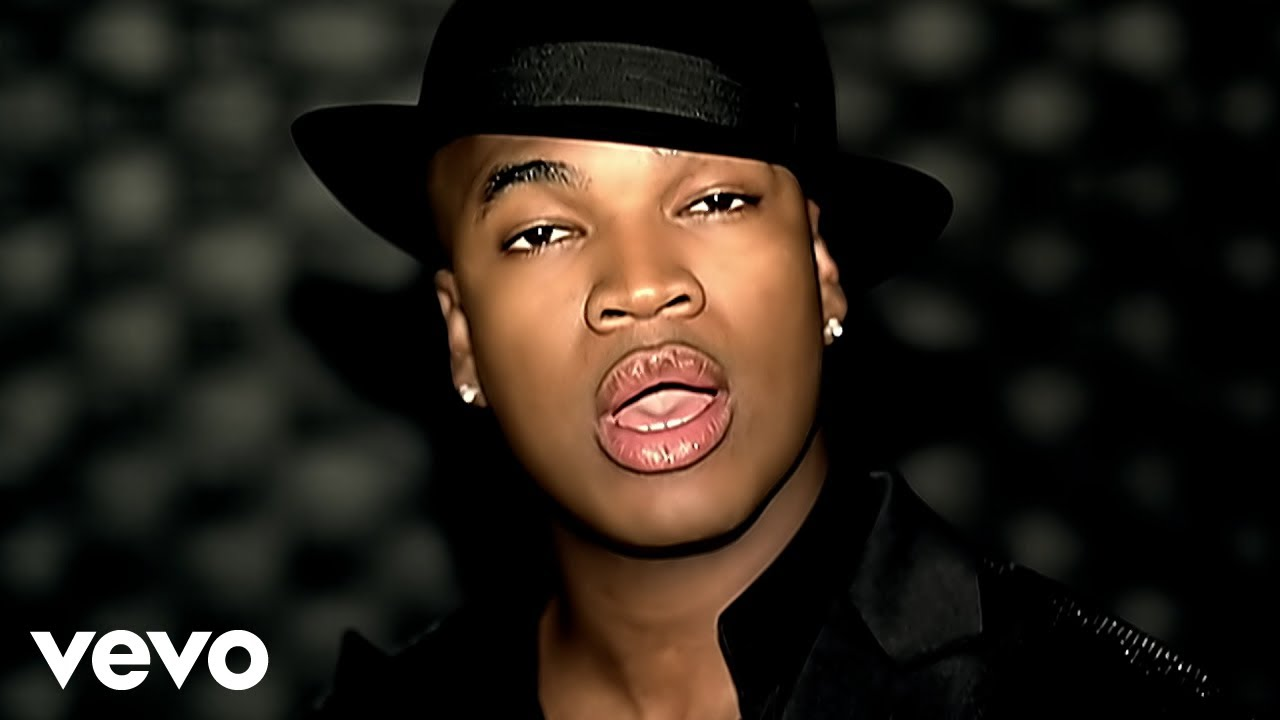
Image: NE-YO/ YouTube
Grammy‑winning singer, songwriter and producer Ne-Yo has had an unexpected reaction to recent news that one of his music ventures signed an artificial intelligence‑generated artist and he only found out about it because a TMZ photographer told him.
While walking through Los Angeles International Airport, Ne‑Yo was asked about the announcement that Pacific Music Group a Pan‑Asian music and entertainment company he co‑founded had signed AI artist TaTa, created by producer Timbaland’s AI entertainment company Stage Zero.
Ne‑Yo appeared surprised, saying he wasn’t aware the deal had happened, and that he had not personally signed off on it. Yet he was open to the concept of AI music, with conditions. He made it clear that his support depends on human creatives being involved especially when it comes to writing lyrics and producing songs.
In his discussion with TMZ, Ne‑Yo acknowledged that AI‑generated music is increasingly part of the industry’s evolution. He noted that when songs are created with the input of real songwriters and producers, AI can be a useful tool rather than a threat. However, he took issue with the idea of people simply using prompts to make music without meaningful human contribution a practice he described as “cheating.”
The signing of TaTa reportedly grounded in the artist’s Filipino heritage and developed for release in Asian markets reflects broader experimentation with AI in global entertainment. Stage Zero’s partnership with PMG signals how technology is being used to build hybrid music projects that blend human creativity with advanced digital tools.
AI artists have sparked debate across the music world, with proponents claiming they can push boundaries and help artists explore new sounds, while critics warn that reliance on machine‑generated content could devalue human artistry and copyright. Ne‑Yo’s stance welcoming AI as long as it augments rather than replaces human input suggests an industry figure trying to balance innovation with tradition.
As AI continues to shape creative industries, his reaction highlights a key tension: technology can expand possibilities, but the human heart of music remains central to its value.
About the Author