Podcast Sparks Backlash After Missteps on Oscar Pistorius Trial
 Viable News Team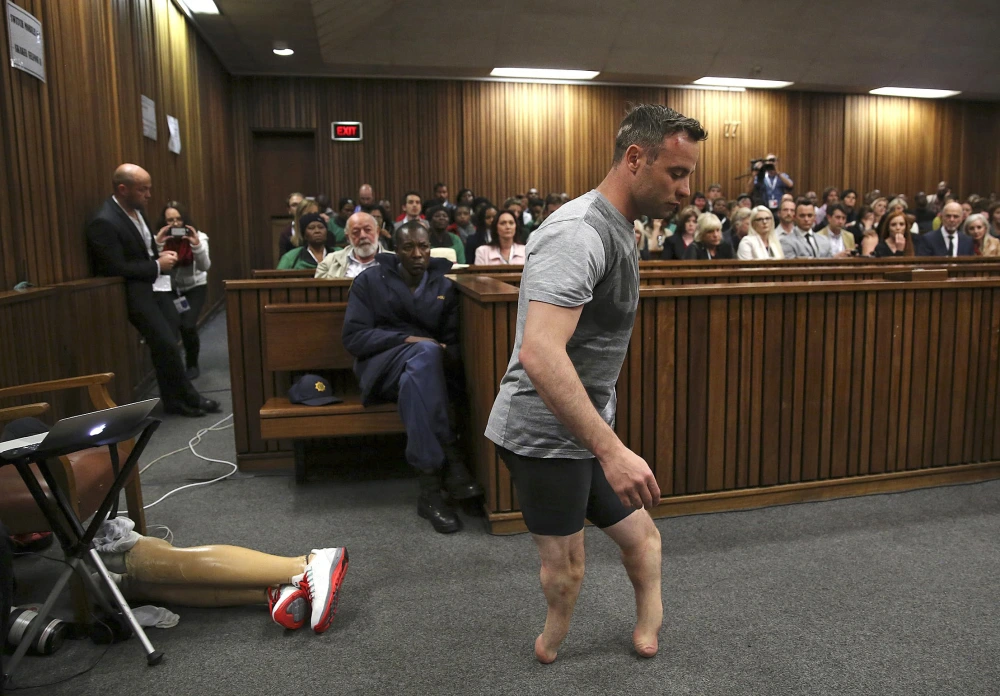
Image: nbcnews.com/ Siphiwe Sibeko / Pool via AP
A recent podcast episode by Natalie Shine and Savannah DesOrmeaux has sparked widespread debate after listeners raised concerns about how the hosts discussed the trial of Oscar Pistorius. The episode revisited the killing of Reeva Steenkamp, a case that drew intense global attention and remains one of South Africa’s most closely followed criminal trials.
Soon after the episode aired, many South Africans took to social media to challenge what they described as inaccuracies and oversimplifications. Critics argued that key legal developments and timelines were either misrepresented or lacked important context, particularly given how complex the case became over time. The trial, which unfolded in Pretoria, involved multiple legal stages that significantly changed the outcome.
Pistorius was initially convicted of culpable homicide in 2014, but that ruling was later overturned on appeal, with South Africa’s Constitutional Court of South Africa ultimately confirming a murder conviction. The case has since been widely analysed for how the courts interpreted intent and applied legal principles, making accuracy especially important when it is revisited in public discussions.
The backlash highlights the challenges that can arise when international content creators retell complex legal cases from different jurisdictions. While podcasts often aim to present engaging narratives, audiences increasingly expect factual precision, especially when dealing with sensitive subjects. In this instance, many South Africans who followed the trial closely felt compelled to correct the record and provide additional clarity online.

The incident has also reignited broader conversations about responsibility in the true crime genre, where storytelling can sometimes overshadow factual detail. As the popularity of such content continues to grow globally, the reaction to this episode underscores the importance of careful research and cultural context. Even years later, the Pistorius case continues to resonate, serving as a reminder of the lasting impact of high-profile trials and the need to handle them with accuracy and care.
About the Author