B R Hlambela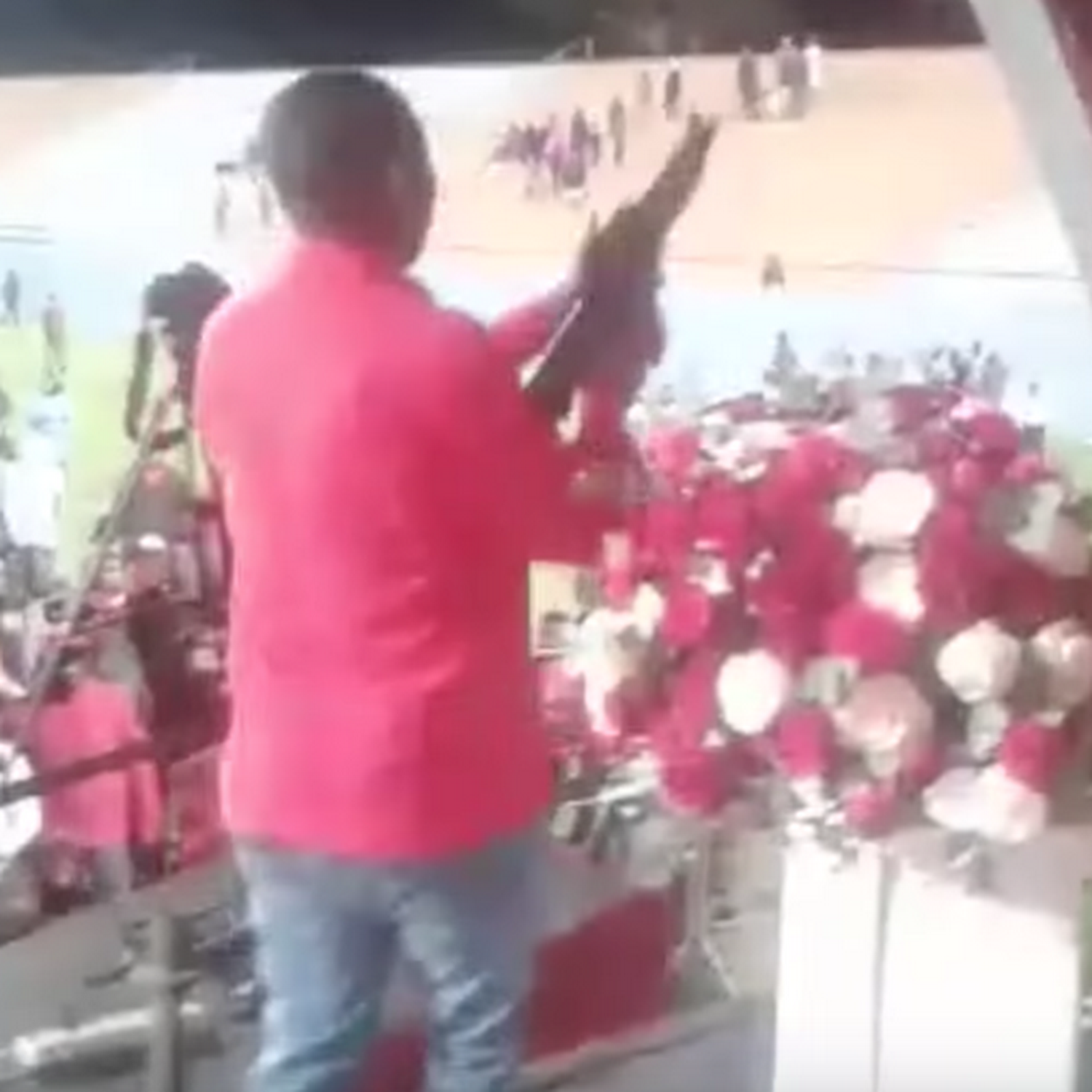
Julius Malema, leader of the Economic Freedom Fighters (EFF), was found guilty on five firearm related charges stemming from a 2018 rally.
The ruling marks one of the most significant legal blows to a major political figure in recent years, carrying heavy implications for Malema’s political future, parliamentary eligibility, and the broader debates about accountability and political violence in South Africa.
The 2018 rally incident the incident dates to July 2018, during the EFF’s fifth-anniversary rally held at Sisa Dukashe Stadium in Mdantsane, Eastern Cape.
The Video footage captured Malema apparently firing multiple shots into the air while on stage before thousands of supporters.
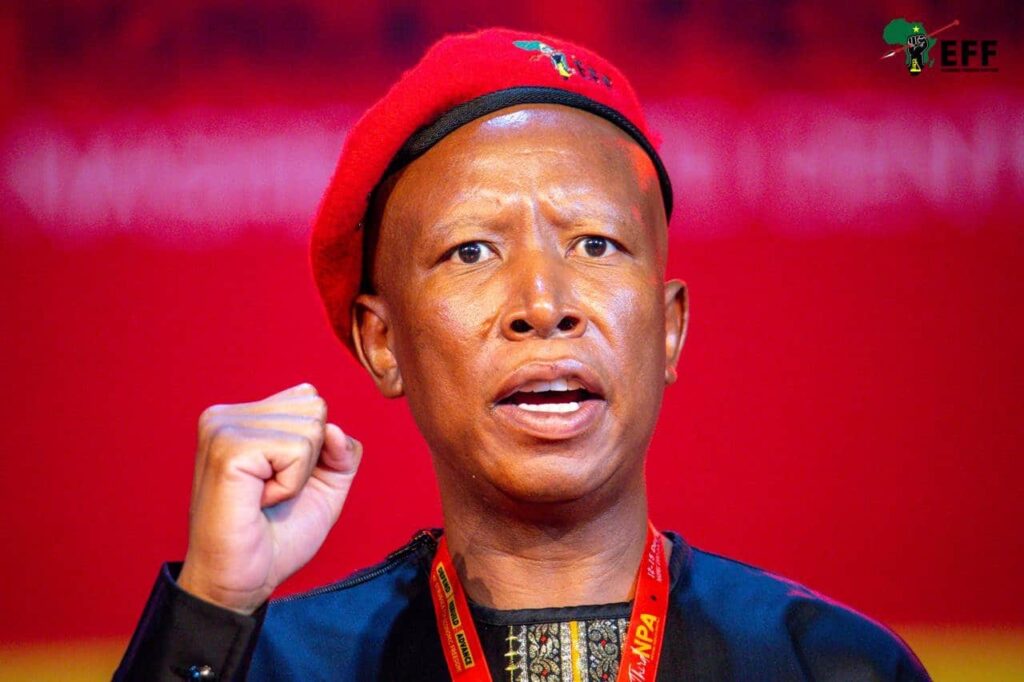
Image credit to News24
In his defense, Malema claimed the weapon was a toy gun or that blank ammunition was used.
The case was initiated by AfriForum, a civil rights lobby group.
Malema’s then-bodyguard, Adriaan Snyman, was also charged, accused of handing him the rifle however, Snyman was acquitted.
The charges and conviction Malema was convicted on five counts which include unlawful possession of a firearm unlawful possession of ammunition, discharging a firearm in a public, reckless endangerment of persons or property
The magistrate, Twanet Olivier, after three days of deliberation, found him guilty on all five counts.
In delivering the verdict, the court rejected the defence’s arguments that the firearm was a toy and that no live rounds were used.
Under the Firearms Control Act, the unlawful possession or use of firearms carries significant penalties, with a maximum sentence of 15 years for many of the offences in question.
Because no mandatory minimum sentence is prescribed, the court has discretion in sentencing.
If Malema is sentenced to more than 1 year without the option of a fine, he may be ineligible to hold his seat in the National Assembly.
If disqualified, he would be barred from Parliament for 5 years after the sentence ends.
The sentence could be politically fatal for his parliamentary role.
Malema will be disqualified from holding a seat in the National Assembly, triggering a vacancy and reshuffling of EFF leadership structure.
Even if he is disqualified, he may still lead the party from outside Parliament, though with reduced legitimacy in legislative affairs.
The EFF has already branded the conviction as politically motivated and racially biased.
Malema alleges the court targeted him to appease AfriForum and white supremacist interests.
Opponents and civil society are seizing the moment to argue that no political figure is above the law and that accountability must extend to all.
The ruling and potential appeals will be closely watched as an indicator of whether the courts can act impartially under political pressure.
If the sentence is perceived as too lenient or too harsh, either could damage perceptions of fairness.
Sentencing is scheduled for 23 January 2026 Malema has already declared his intention to appeal all the way to the Constitutional Court if necessary.
About the Author

 Viable News Team