Trump Appeals to US Supreme Court to Save Sweeping Trade Tariffs
 Viable News Team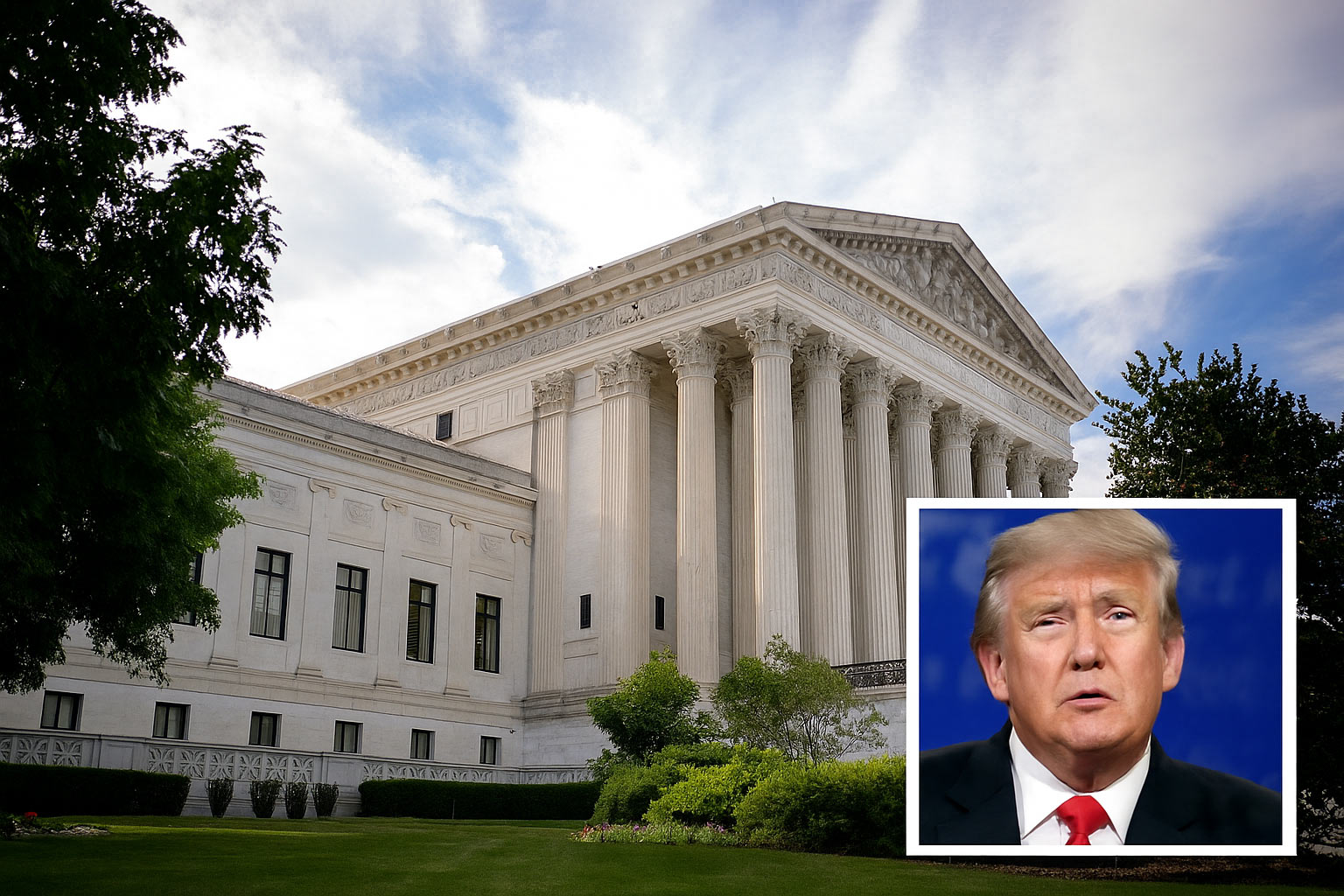
Former US President Donald Trump has asked the Supreme Court to overturn a federal appeals court ruling that declared most of his trade tariffs unlawful.
The appeal, filed late Wednesday, challenges a decision made last week by the US Court of Appeals in Washington DC, which found that Trump exceeded his presidential authority when he imposed wide-ranging tariffs on imports under a 1977 emergency law.

The tariffs, introduced on 2 April 2025 as part of Trump’s “liberation day” trade policies, imposed levies of 10% to 50% on most US imports, rattling global markets. However, in a 7-4 ruling, the court determined that while the president has broad powers under the International Emergency Economic Powers Act, those powers do not explicitly include the authority to impose tariffs or taxes.
The appeals court further noted that Trump’s tariffs were “unbounded in scope, amount, and duration” and went beyond the legal limits set by Congress.
While the decision dealt a significant blow to Trump’s economic agenda, the tariffs remain in effect until 14 October, allowing the administration time to seek Supreme Court intervention.

Trump’s legal team has requested an expedited schedule, asking justices to decide by 10 September whether to hear the case, with arguments potentially being held by 10 November and a ruling by year-end.
If the Supreme Court upholds the lower court’s ruling, analysts warn it could cut the average US tariff rate from 16.3% by nearly half, force repayments of tens of billions of dollars, and disrupt trade deals Trump negotiated with countries such as the UK and the European Union.
The tariffs have already had ripple effects on American brands abroad. Levi’s warned that anti-American sentiment triggered by the tariffs could hurt UK sales, while companies like Tesla and Jack Daniel’s have faced declining demand in Europe and Canada due to consumer backlash.

Despite these concerns, Trump has defended his trade policies as a necessary tool to protect American industries and jobs, insisting that presidents have the authority to impose reciprocal tariffs under national emergency provisions.
The Supreme Court’s decision on whether to hear the case will determine the future of Trump’s tariffs and could reshape the trajectory of US trade relations heading into 2026.
About the Author